
Georgia Recent Arrests
Georgia recent arrests are tracked by sheriff offices and police departments in all 159 counties across the state. You can search for recent arrest records through county jail rosters, the Georgia Crime Information Center, and online inmate search tools run by local law enforcement. Each county sheriff keeps booking records and arrest logs that show who was taken into custody, what the charges are, and bond amounts. The state also runs databases like the Georgia Felon Search and the GDC Offender Search that let you look up arrest and criminal history records from home. This page covers how to find recent arrest records in Georgia and what tools are open to the public.
Georgia Arrest Records Quick Facts
Georgia Crime Information Center Arrest Records
The Georgia Crime Information Center holds all criminal history records for every law enforcement and criminal justice agency in the state. The GCIC is part of the Georgia Bureau of Investigation and serves as the main hub for arrest data in Georgia. When someone gets arrested anywhere in the state, that arrest goes into the GCIC database. Sheriff offices and police departments feed their booking data into this system, which means it has the most complete picture of recent arrests in Georgia.
You can check your own criminal history through the GCIC. The fee for a criminal history record inspection is $15. That does not include the cost of fingerprinting. The GCIC Lobby Office at 3121 Panthersville Road in Decatur is open by appointment only for record inspections and fingerprint services. Call (404) 244-2639 and press Option 1 to set up an appointment, or press Option 5 for criminal history inquiries. You can also email gacriminalhistory@gbi.ga.gov with questions about Georgia arrest records.
A Georgia criminal history record from GCIC includes the person's name, date of birth, social security number, sex, race, height, and weight. It also shows arrest data with the arresting agency, date of arrest, and charges. Final court dispositions and any time served in a Georgia correctional facility are part of the record too.
For attorneys who need arrest records for trial prep, the GCIC has a separate process. Contact the GCIC attorney request line at (404) 244-2639, Option 3. Under O.C.G.A. § 35-3-34, the GCIC can make criminal history records of a defendant or witnesses available to defense counsel with a written request.
Search Georgia Recent Arrests Online
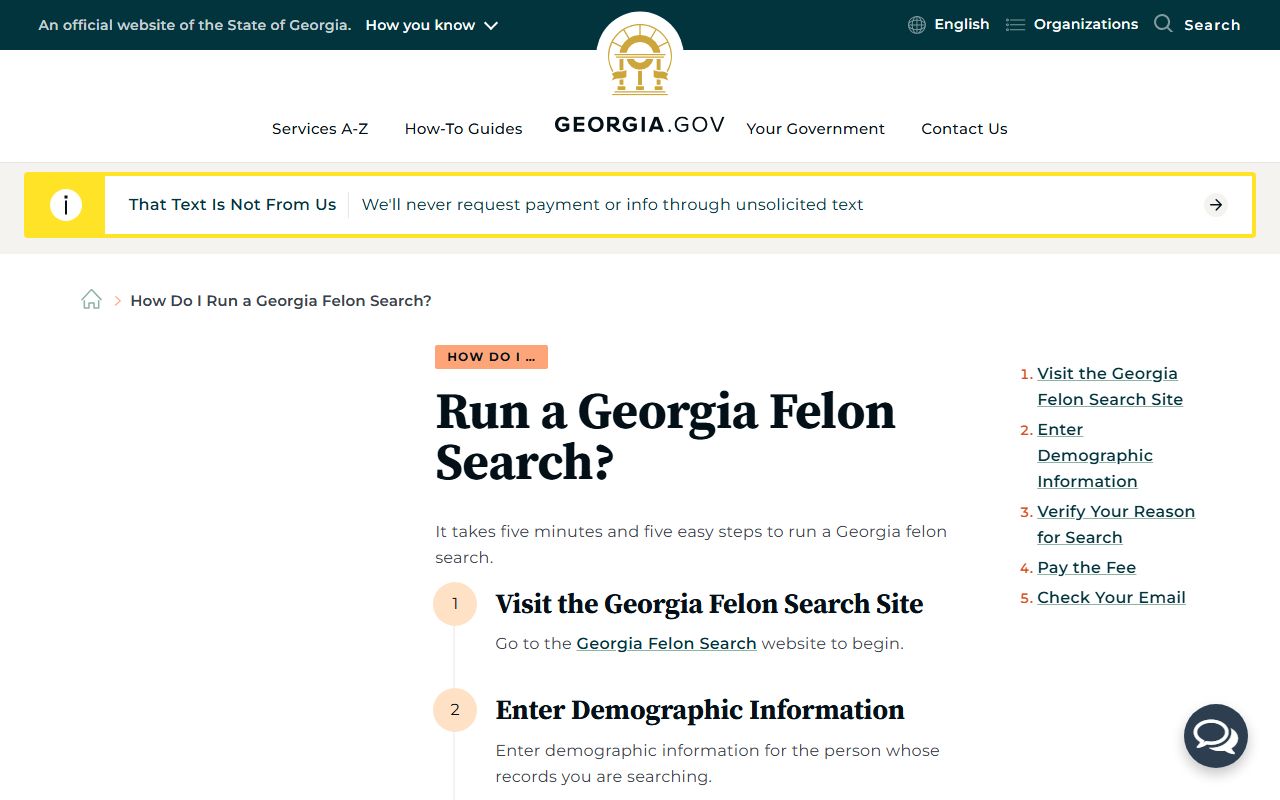
The Georgia Felon Search is a state-run database that gives you instant online results for felony arrest records. It costs $15 per search. The process is simple. Visit the site, enter the person's information, verify the details, pay the fee, and get the rap sheet sent to your email. The information comes straight from the GBI and shows any felony convictions reported to the county. Even if the search comes back with no record found, you still get charged the $15 fee.
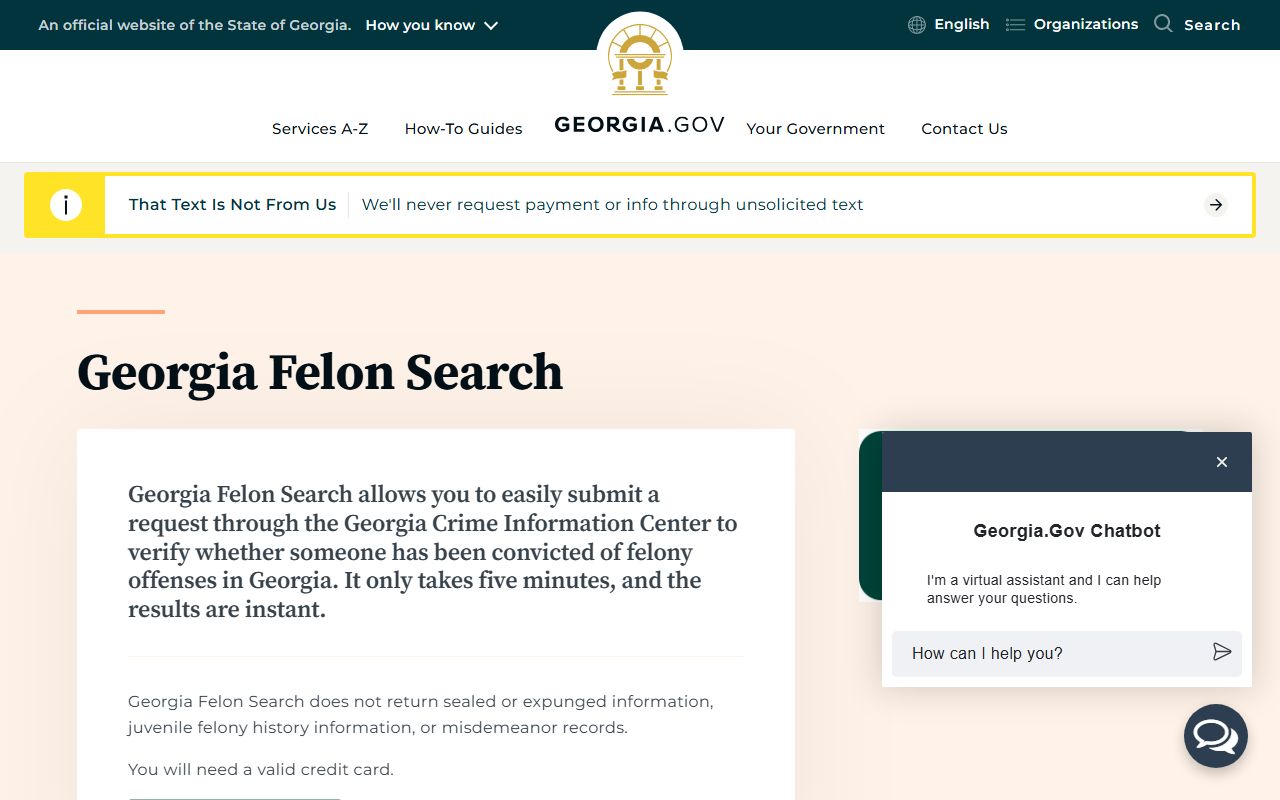
The legal basis for this public access is O.C.G.A. § 35-3-35C. It allows criminal history information about convictions, pleas, and sentences in Georgia to be released electronically without fingerprint comparison or consent of the person whose record is requested. The identifying information you provide just has to be enough to identify the right person. Businesses can set up billing accounts for unlimited searches with monthly payment if they need to run frequent checks on recent arrests in Georgia.
One thing to keep in mind. If someone completed a first-time offender program and had their felony conviction removed, that felony will not show up on the Georgia Felon Search results.
Georgia Corrections Arrest and Offender Search
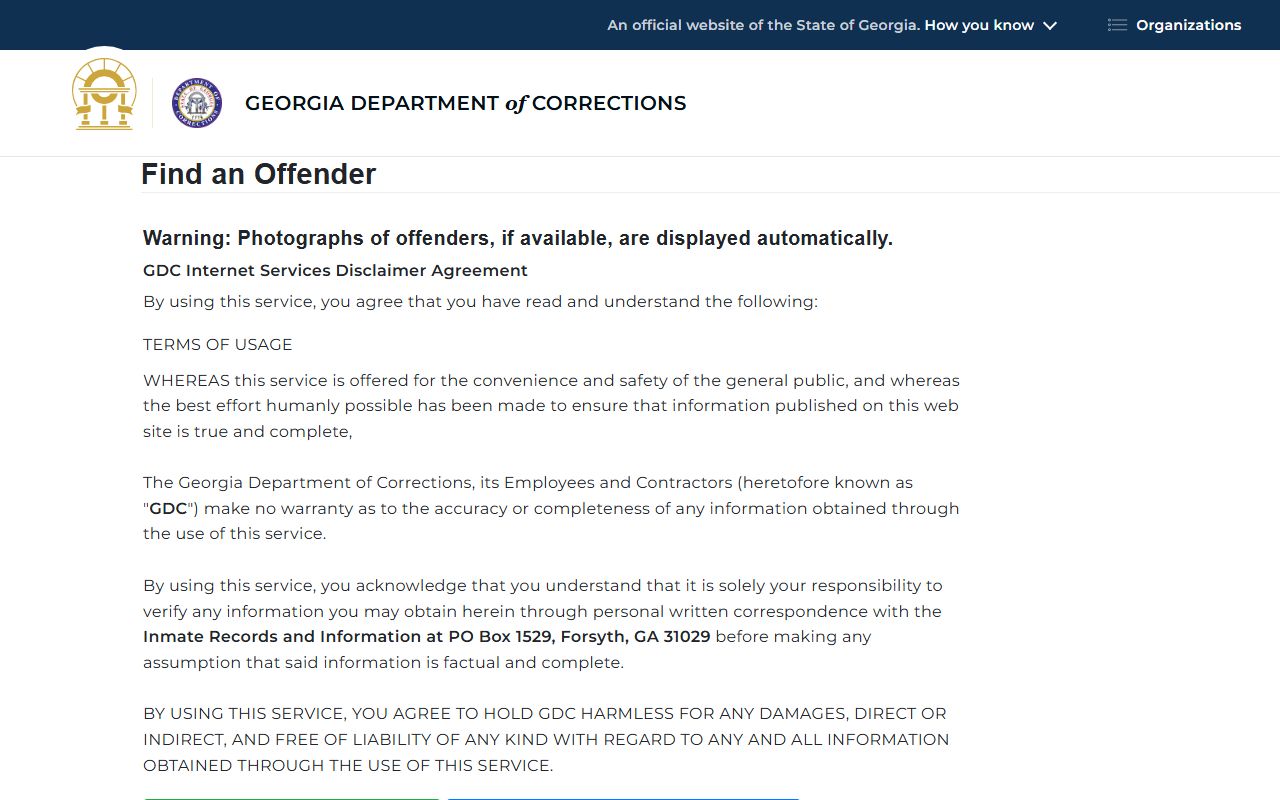
The Georgia Department of Corrections runs its own offender search tool. You can look up anyone who is in a GDC facility right now. Search by name, physical description, ID number, or case number. The search is free. Photographs of offenders show up automatically when they are available in the system.
The GDC search form is at services.gdc.ga.gov. This tool covers people who have been sentenced and sent to a state prison or correctional facility. It does not show people sitting in county jails waiting for trial. For those recent arrests, you need to check the county sheriff's jail roster. The GDC warns that you should verify any information you find through their system by writing to Inmate Records and Information at PO Box 1529, Forsyth, GA 31029 before assuming it is complete. The GDC main office is at 7 Martin Luther King Jr. Drive, Suite 543, Atlanta, GA 30334.
The GDC facility locator helps you find which prison or facility holds a specific inmate after their arrest in Georgia leads to a conviction and sentence.
Georgia Court Records for Recent Arrests
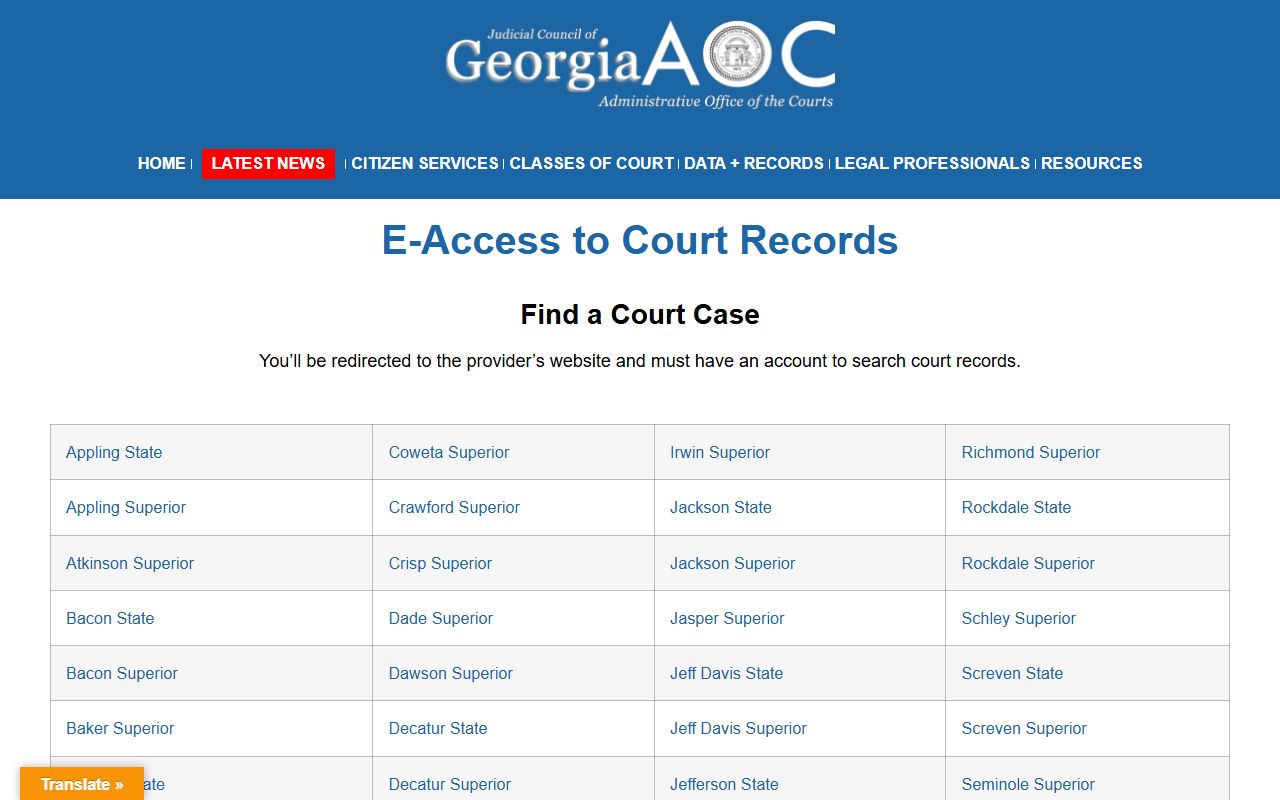
Court records tie directly to recent arrests in Georgia. When someone gets arrested and charged, those charges move through the court system. The Georgia Judicial Gateway E-Access portal lets you search court records across the state. You need to create an account to use the system. E-filed cases and documents are available from October 1, 2018 forward, though some local courts have added older records that go back decades.
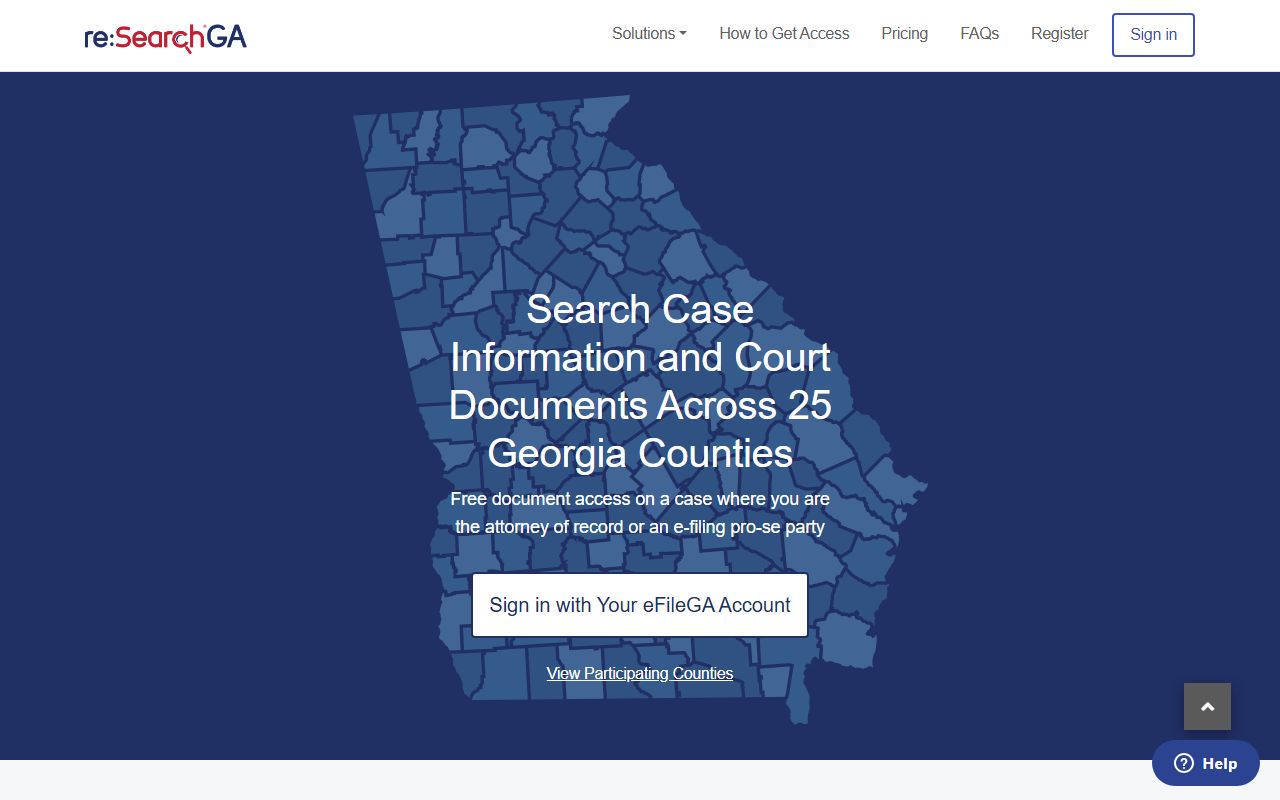
The re:SearchGA portal is another way to find court records tied to recent arrests in Georgia. Both civil and criminal case records are accessible through the same system. But what you can see depends on whether cases were e-filed or manually added by local courts. County clerks also offer searches at the courthouse, though official records often require in-person requests and fees.
Georgia Arrest Records and Open Records Law
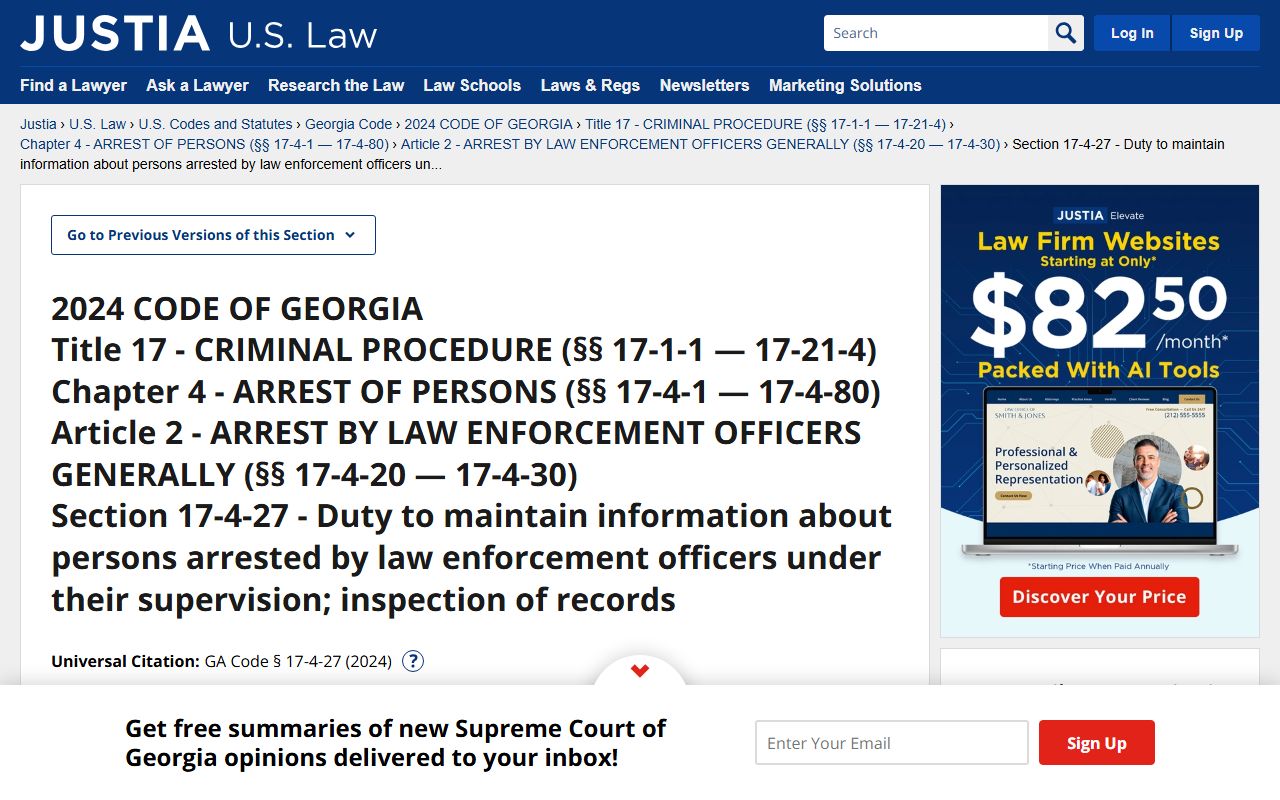
Georgia law makes most arrest records public. Under O.C.G.A. § 17-4-27, all sheriffs, chiefs of police, and heads of law enforcement agencies must maintain arrest records. These records must include the name, address, and age of each person arrested when charged with an offense. The statute says the records "shall be open for public inspection unless otherwise provided by law." That is the foundation for public access to recent arrests in Georgia.
The Georgia Open Records Act adds more detail. Under O.C.G.A. § 50-18-72, initial police arrest reports and initial incident reports must be disclosed even when they are part of an active investigation. Other records from law enforcement in a pending investigation may be exempt. But that first arrest report is always public in Georgia. A written request is not required by law to get these records, but it helps to put your request in writing to avoid disputes about what you asked for.
Records must be provided within 3 business days if they are readily available. Copy fees may apply and they vary by agency. Most sheriff offices and police departments in Georgia post their recent arrest information on jail rosters or inmate search portals online at no cost.
Booking Photos and Record Restriction in Georgia
Georgia has strict rules about booking photographs from recent arrests. Under O.C.G.A. § 35-1-19, law enforcement agencies cannot post booking photographs on websites except for specific cases like sex offender registration or active law enforcement use. If you request a booking photo, you must sign a statement saying you will not post it on a website that charges for removal. Violating this law is a criminal offense under Code Section 16-10-20.
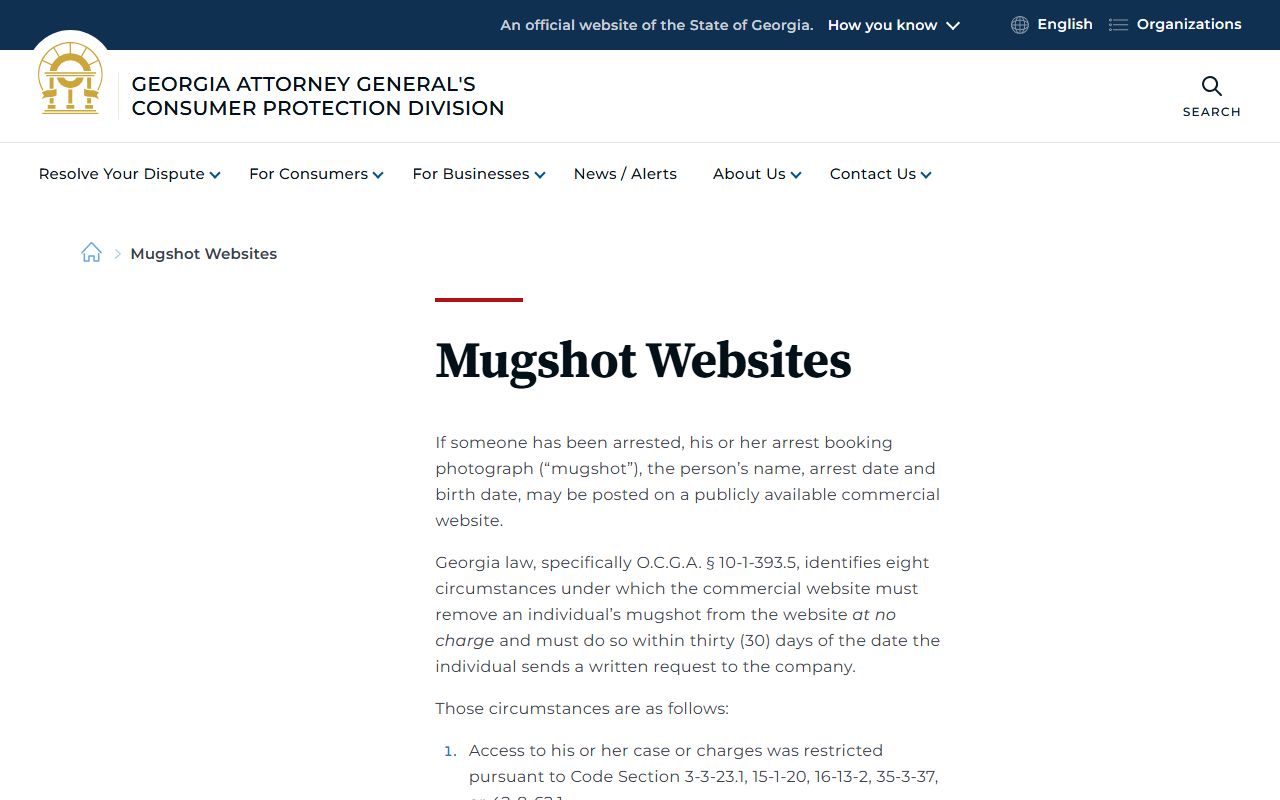
Georgia also has a mugshot removal law under O.C.G.A. § 10-1-393.5. Any website that posts arrest booking photographs for commercial purposes must remove them within 30 days of a written request. The request needs to include the person's name, date of birth, date of arrest, and name of the arresting agency. Failure to comply is unlawful and can result in civil and criminal penalties in Georgia.
For people who want their arrest records restricted, O.C.G.A. § 35-3-37 spells out the process. For arrests before July 1, 2013, you submit a completed form and a fee to the arresting agency. They forward it to the prosecutor, who has 90 days to decide. For arrests on or after July 1, 2013, you go straight to the prosecutor's office. If approved, the record gets restricted in the GCIC database. The $25 processing fee goes to the Georgia Bureau of Investigation by money order or certified check. Once restricted, the arrest record is only visible to judicial officials and criminal justice agencies in Georgia.
Finding Recent Arrests Through Georgia Sheriffs
The fastest way to find recent arrests in Georgia is through your county sheriff's office. Each of the 159 counties has a sheriff who runs the county jail and maintains arrest records. Many Georgia sheriffs now post jail rosters and inmate searches on their websites. The Georgia Sheriffs' Association keeps a full directory of every sheriff in the state with contact information.
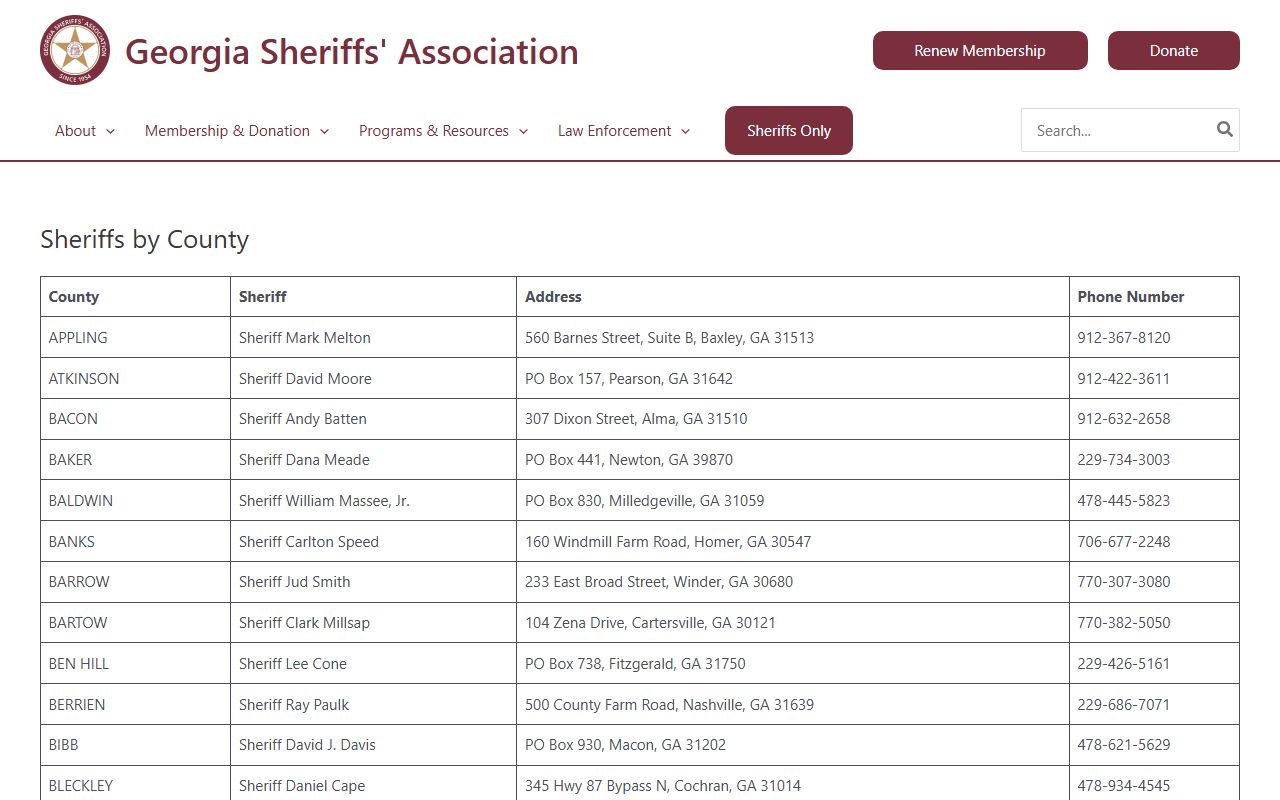
Some of the largest counties in Georgia have full online inmate search portals. Fulton County lets you search inmates at fcsoga.org. Gwinnett County has its inmate search at gwinnettcountysheriff.com. DeKalb County uses the Tyler Tech portal at portal-gadekalb.tylertech.cloud. Richmond County offers inmate inquiry at richmondcountysheriffsoffice.com. These tools let you look up who was booked into the jail, what charges they face, and bond amounts for recent arrests.
Smaller counties may not have online search tools. For those, call the sheriff's office directly. They can tell you about recent arrests over the phone or when you come to the office. The Georgia Sheriffs' Association directory has phone numbers for all 159 county sheriffs.
Georgia Sex Offender Registry
The Georgia Sex Offender Registry is maintained by the GBI and tracks registered sex offenders across the state. This database connects to arrest records because all sex offender convictions stem from arrests and court proceedings. You can search by name, address, or zip code to see who is registered in your area.
Browse Georgia Recent Arrests by County
Each county in Georgia has its own sheriff's office that handles arrests and jail operations. Pick a county below to find local arrest records, inmate search tools, and contact details for the sheriff.
Recent Arrests in Major Georgia Cities
Residents of major Georgia cities can look up recent arrests through their local police department or the county sheriff that handles jail operations for their area.